U.S. Audit Watchdog Finds Deficiencies in First China Inspection
The U.S. audit watchdog found “unacceptable rates of deficiencies” in its inspections last year of audits of U.S.-traded Chinese companies, the American agency said in publishing the results of its weeks-long review.
The U.S. Public Company Accounting Oversight Board (PCAOB) examined eight audits conducted in 2022, four by PwC in Hong Kong and four by KPMG Huazhen LLP on the mainland, the board said Wednesday. It turned up significant shortcomings in 75% of the audits by PwC and in all of those by KPMG Huazhen, the PCAOB said.
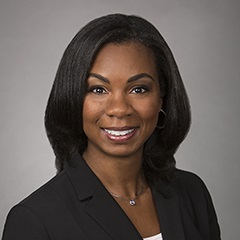 The high rates of deficiencies were “not unexpected” in jurisdictions that are being inspected for the first time, said PCAOB Chair Erica Williams. They were “consistent” with the types and number of findings the board has encountered in other first-time inspections around the world, Williams said.
“We identified problems, so now we can begin the work of holding firms accountable to fix them,” she said. The report of the findings is a powerful first step, she said.
In her statement, Williams didn’t specify the shortcomings. But she said they were of “such significance that PCAOB staff believe the audit firm failed to obtain sufficient appropriate audit evidence to support its work on the public company’s financial statements or internal control over financial reporting.”
The PCAOB carried out the inspections under a landmark agreement to resolve a longstanding dispute between China and the U.S. over access by American authorities to audit papers for Chinese companies whose shares trade in the U.S.
It was the first time American officials got access to accounting records of Chinese businesses following more than a decade of tough negotiations.
In 2020, the U.S. Congress passed the Holding Foreign Companies Accountable Act, requiring that securities be barred from trading in the U.S. if American watchdogs couldn’t fully inspect audits of financial statements for three consecutive years. That exposed hundreds of Chinese stocks worth more than $1 trillion to the threat of delisting. Beijing resisted giving American authorities access to the audit documents, citing national security concerns.
Nearly 170 Chinese companies traded on U.S. exchanges have been identified by U.S. regulators as facing delisting as soon as this year for failing to comply with the law, including many of China’s largest corporations such as Alibaba Group Holding Ltd. and JD.com Inc.
Last year’s on-site inspections included the working papers of Alibaba, audited by PwC, and Yum China Holdings Inc., audited by KPMG, Bloomberg reported.
Under PCAOB rules, accounting firms have up to a year to rectify deficiencies identified by the regulator. When appropriate, inspectors can refer their findings for enforcement actions, including monetary penalties and business bans, the board said in its statement.
Following nine weeks of reviews carried out by the PCAOB between September and November 2022, the regulator said its inspectors were able to sufficiently review audit documents of the businesses, diminishing the chances that the companies would be delisted in New York.
The two accounting firms inspected by the PCAOB audited 40% of the total market share of U.S.-traded Chinese companies, according to the regulator. It said it is on track to hit 99% of the total market share by the end of this year.
The regulator said its inspectors have begun field work for 2023 inspections, and it expects the work to continue off and on throughout most of the year, which is common practice for inspections such as these in jurisdictions around the world.
The PCAOB in March said it would soon launch a new round of inspections of U.S.-traded Chinese companies’ auditors in Hong Kong with assistance from officials of the China Securities Regulatory  Commission and the Ministry of Finance. The inspection will include branches of EY, Deloitte, PricewaterhouseCoopers and some other audit firms in Hong Kong and the Chinese mainland, Reuters reported, citing unnamed sources.
Source: Caixin Global